

I don’t normally geek out over fast food marketing.
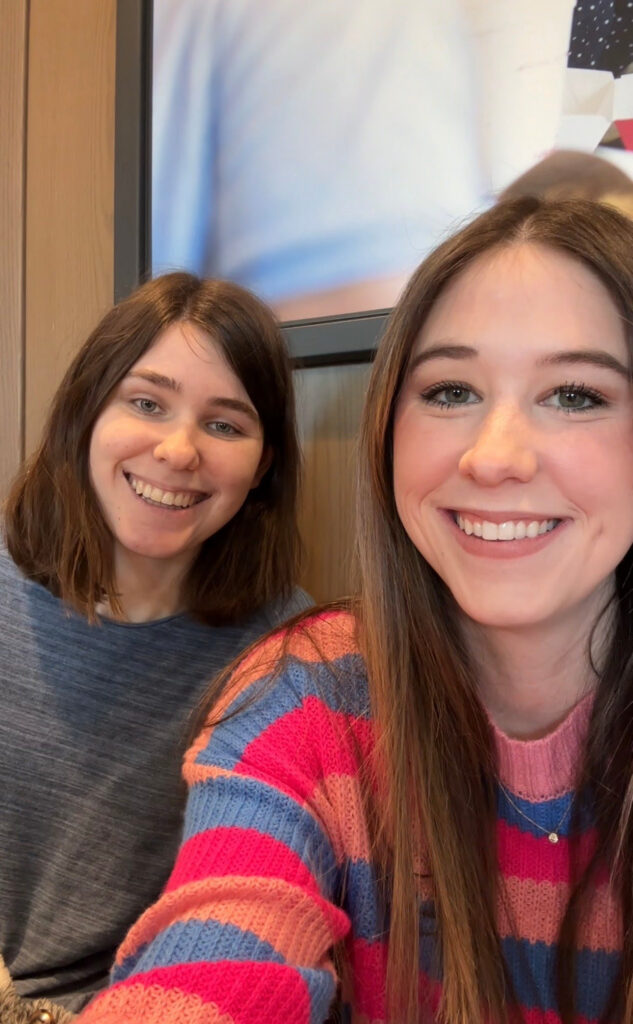
But recently, I walked into Chick-fil-A and immediately felt like something was different. And as someone who studies successful marketing campaigns by major brands, I knew I was watching one unfold in real time.
Then my youngest sister and I realized there were 3,000 Golden Fan Cups hidden among the regular inventory, each one awarding free Chick-fil-A for a year, and I was intrigued.
And that moment is exactly why the Chick-fil-A Newstalgia campaign belongs in the conversation about successful marketing campaigns by major brands.
TL;DR: What This Post Covers
If you’re searching for successful marketing campaigns by major brands, here’s what you’ll find in this breakdown:
- A direct answer to which brand campaigns are currently standing out
- Why the Chick-fil-A Newstalgia campaign is strategically sophisticated
- How experimental marketing tactics drive repeat behavior
- What makes certain experiential brand campaigns outperform discounts
- How premium service brands can apply these experimental marketing ideas
This isn’t just a campaign recap. It’s a case study in brand psychology, customer retention strategy, and experiential marketing.
What Are Some Successful Marketing Campaigns by Major Brands?
When marketers and founders ask this question, a few campaigns consistently rise to the top.
Spotify Wrapped: Personalized, shareable data storytelling that turns user behavior into organic promotion.
Nike’s “You Can’t Stop Us”: Emotion-driven storytelling aligned with cultural timing and brand identity.
Barbie’s global revival campaign: A multi-channel brand reinvention that reignited cultural relevance.
Airbnb’s “Live Anywhere”: A lifestyle repositioning campaign that reframed how people think about travel.
Each of these campaigns succeeded for different reasons. But what they share is intentional design. They weren’t just advertisements; they created experiences.
Among them, the Chick-fil-A Newstalgia campaign stands out as one of the clearest examples of experimental marketing tactics layered into everyday customer behavior.
Inside the Chick-fil-A Newstalgia Campaign
To celebrate its 80th anniversary, Chick-fil-A launched a year-long campaign centered around four retro-inspired reusable cups.
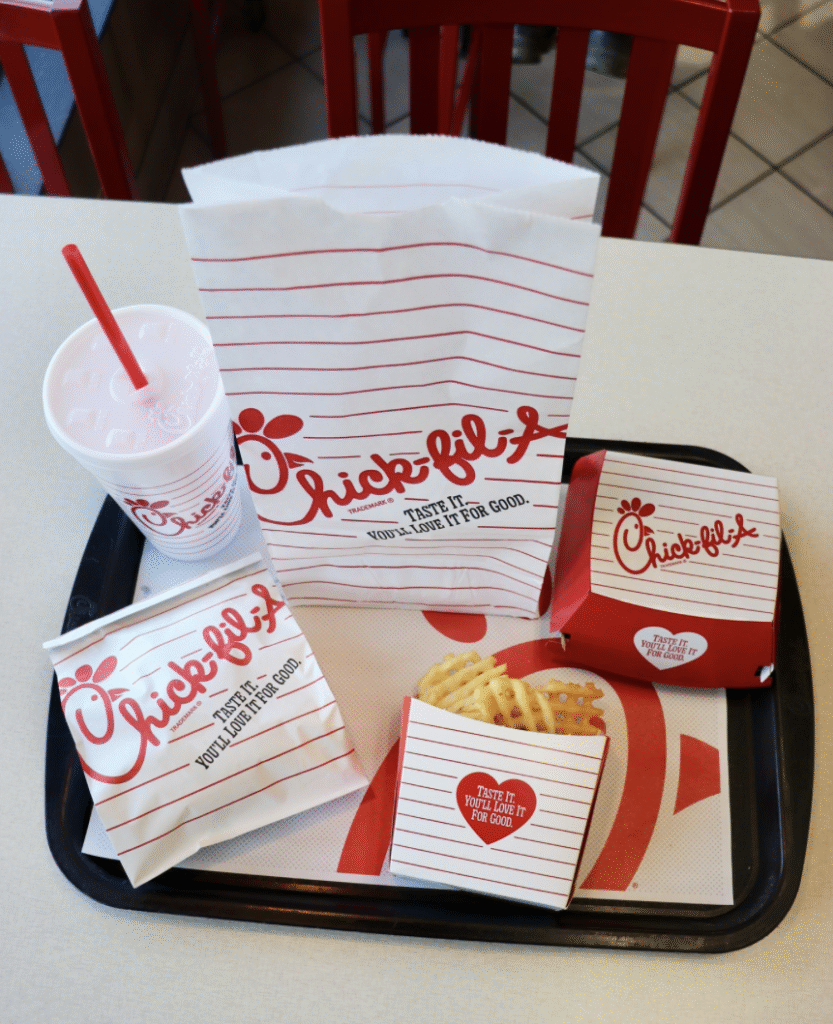
Each design represents a different era of the brand’s history, pulling from archival logos, past advertising, and vintage aesthetics. Alongside the cups, they reintroduced nostalgic packaging across locations, reinforcing the theme at every physical touchpoint.
Then they added the twist: 3,000 Golden Fan Cups randomly distributed. If you unwrap one, you win free Chick-fil-A for a year.
It sounds simple.
But strategically, it’s layered.
This is what experimental marketing ideas look like when they’re executed thoughtfully. Nothing about this campaign feels like a one-off promotion. It feels cohesive and intentional.
If you prefer a quick visual breakdown, I also shared my full thoughts on the Chick-fil-A Newstalgia campaign in an Instagram reel. You can watch it here.
Why This Is One of the Most Successful Marketing Campaigns by a Major Brand This Year
Restaurant traffic has been slowing industry-wide. Many brands respond to this kind of pressure with discounts or aggressive promotions.
But Chick-fil-A chose a different route.
Instead of reducing price, they increased perceived value. Instead of urgency through expiration, they introduced anticipation through phased releases. Instead of pushing a sale, they built a story unfolding over time.
Customers now have a reason to return beyond hunger. They’re collecting cups and even hoping to find a Golden Fan Cup. Then, they’re sharing their finds on social media.
That is retention marketing disguised as fun.
And guess what: it works.
What Makes a Marketing Campaign Successful?
Across industries, successful marketing campaigns by major brands tend to share four key characteristics:
- Emotional connection – They align with audience identity and values.
- Participation – They give customers something to do, not just something to watch.
- Shareability – They create built-in social momentum.
- Retention design – They drive repeat behavior, not just one-time awareness.
The Chick-fil-A Newstalgia campaign checks all four boxes. It builds emotional familiarity through nostalgia, encourages participation through collectibility, fuels shareability through gamification, and strengthens customer retention strategy through phased releases.
The Role of Experimental Marketing Tactics
When people hear “experimental marketing tactics,” they often think of massive pop-up activations, immersive brand installations, or celebrity-driven stunts. But experimentation doesn’t have to mean extravagance. It can simply mean rethinking how customers interact with your product.
In this case, Chick-fil-A reimagined the everyday experience of ordering a meal. They layered collectibility into a standard transaction and added surprise into routine behavior. Overall, they transformed packaging into a conversation starter.
That layering is what elevates the Chick-fil-A Newstalgia campaign from a seasonal promotion to one of the more successful marketing campaigns by a major brand this year.
The Experimental Marketing Tactics Behind the Success
When we look at this campaign through a strategic lens, several experimental marketing tactics become clear.
- There’s scarcity layered into collectibility. Because the cups are released in phases, customers feel compelled to return. It’s not “buy before it’s gone.” It’s “come back and see what’s next.”
- There’s nostalgia as emotional leverage. The retro packaging taps into memory and familiarity. Even customers who don’t remember earlier branding still interpret it as heritage and trust.
- There’s gamification. The Golden Fan Cup introduces chance and surprise. Humans are wired to respond to anticipation. That small element of unpredictability dramatically increases engagement and social buzz.
Individually, these experimental marketing ideas might feel modest. Together, they create momentum.
Want an overview of what the actual process of working with me looks like — from how content gets off your plate to what changes in the first 30 days? Click here to read a short blog post about it!
What Makes Campaigns Like This Rank Among Successful Marketing Campaigns by Major Brands
The campaigns that consistently rise to the top, whether it’s Spotify Wrapped or Nike’s emotional storytelling, all share one thing: participation.
They give the audience something to do.
Chick-fil-A’s Newstalgia campaign turns a transaction into an experience. It transforms ordering lunch into a moment of possibility and invites customers to collect, unwrap, share, and return.
That’s the difference between promotion and experiential brand design.
Successful marketing campaigns by major brands aren’t louder; they’re more layered.
How Premium Service Brands Can Apply These Experimental Marketing Ideas
If you’re running a six- or seven-figure service business, this isn’t about cups.
It’s about intentional experience design.
Instead of discounting to fill spots, you could introduce limited-edition bonuses tied to specific enrollment windows. Instead of predictable launches, you could create phased reveals. Instead of static offers, you could layer in surprise upgrades or milestone rewards.
Experimental marketing tactics in a service-based context often look like:
- Tiered bonuses released over time
- “Golden ticket” client upgrades
- Anniversary campaigns with limited access perks
- Gamified referral programs
When clients feel like they’re part of something unfolding, loyalty increases and customer retention improves.
Frequently Asked Questions (FAQs)
A successful marketing campaign increases engagement, strengthens brand loyalty, and drives measurable business outcomes such as repeat purchases or long-term retention. The most successful marketing campaigns by major brands combine emotional storytelling with experiential design and strategic retention planning.
The Chick-fil-A Newstalgia campaign uses experimental marketing tactics like nostalgia-driven packaging, limited releases, gamification, and phased drops to encourage repeat visits and social sharing without relying on discounts.
Examples of experimental marketing ideas include limited-edition product drops, gamified reward systems, phased campaign releases, interactive experiences, and surprise upgrades designed to increase engagement and retention.
Final Thoughts
Chick-fil-A isn’t just selling chicken. They’re selling nostalgia, anticipation, and participation. And they’re doing it without compromising margins.
That’s why the Chick-fil-A Newstalgia campaign deserves to be included among successful marketing campaigns by major brands.
The real lesson isn’t to copy the aesthetic. It’s to think more intentionally about how your audience experiences your brand over time.
Where can you introduce anticipation?
Where can you design surprise?
Where can you transform a simple interaction into something worth sharing?
That’s the level of strategy that turns a campaign into a case study and a brand into one people come back to again and again.
If you want your marketing to feel as intentional (and exciting) as Chick-fil-A’s cup campaign…
👉 Grab a time that works for you and let’s map it out.

Madelyn is the owner of Madelyn Victoria Co. She’s a social media manager and ShowIt designer who helps service providers stand out online with a people-first strategy.
Madelyn believes your marketing should fuel growth, not drain your energy. Through strategic social media content and high-converting websites, she’s helped entrepreneurs get visible, build trust with their audience, and increase revenue by consistently attracting the right clients.






+ show Comments
- Hide Comments
add a comment